Choosing between paid traffic and organic traffic is not a contest with one universal winner. The right first move depends on your objective, budget, offer maturity, audience, and acceptable waiting period. Clarify those conditions before selecting a channel, because speed, sustainability, and measurable learning matter.
Paid campaigns can create visibility quickly, while organic work builds discoverability through useful content, technical quality, and earned trust. That distinction changes how you judge results: one channel can produce immediate evidence, while the other compounds gradually. A decision begins with timing, economics, and evidence.
Essential Differences Between Paid and Organic Traffic
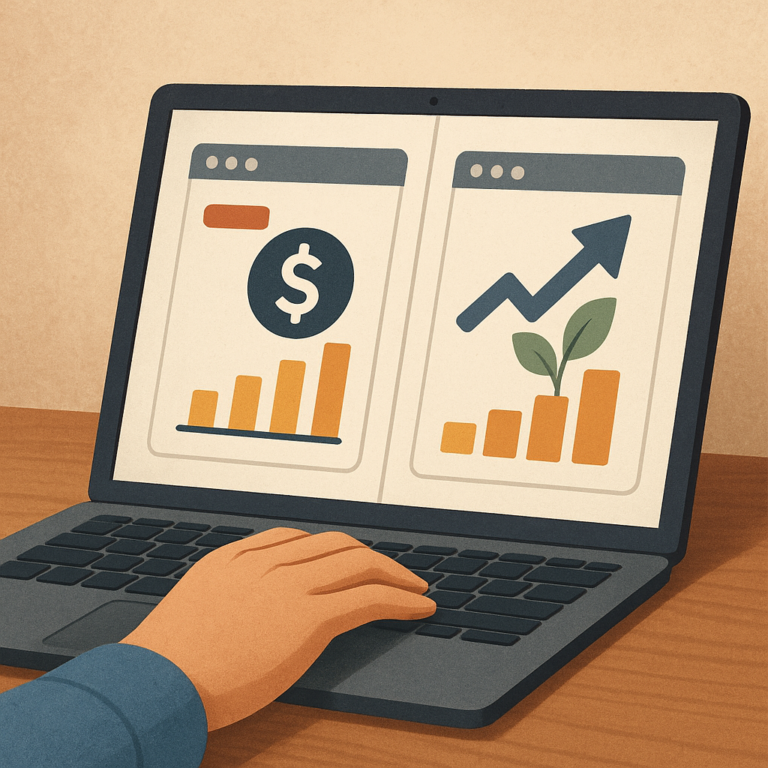
Paid traffic purchases placement on advertising platforms, giving you control over audience selection, budget, message, and delivery speed. Organic traffic earns attention through search relevance, valuable publishing, referrals, and user trust. Paid visibility can stop when spending stops; organic visibility may continue when content endures.
These models differ in predictability and cost behavior. An advertiser can increase or reduce exposure with a budget change, but each visit carries a media cost. Organic acquisition often demands more time upfront and maintenance, yet pages can attract visitors without paying for every click.
Measure Each Channel on Its Own Clock
Because the channels mature at different speeds, their early signals should not be compared carelessly. Paid results may reveal click rates, lead quality, and offer interest within days. Organic results may show impressions, rankings, and engagement, then require weeks or months before producing commercial evidence.
When Organic Traffic Should Come First
Organic tends to be the better first move when the business wants a durable acquisition foundation rather than immediate volume. It suits brands that educate buyers, answer recurring questions, or compete in markets where credibility shapes conversion. The work is especially valuable when customers research carefully before contacting sales or purchasing.
Build an Asset That Compounds
Useful articles, comparison pages, tutorials, and videos can answer objections before a sales conversation begins. Over time, that library strengthens authority and gives prospects several ways to discover the brand. It also creates reusable assets for email, social distribution, and sales enablement, extending the value of each idea.
Organic is not free, however, and its slower feedback can expose weak planning. Results depend on topic selection, technical health, consistent publishing, and the competitiveness of the search landscape. Choose this route when you can sustain quality long enough to learn, improve pages, and earn visibility without forcing premature returns.
When Paid Traffic Should Come First
Paid traffic deserves priority when timing, testing, or predictable reach matters more than long term compounding. It can support a launch, seasonal promotion, urgent lead goal, or newly introduced offer that has not yet earned search visibility. This speed helps the business learn while the opportunity still exists.
Test the Offer Before Scaling
Advertising is also useful when a company needs a defined audience, a controlled volume target, or rapid geographic reach. Campaigns can place a message in front of people who match selected interests or behaviors, then show which audiences, promises, and landing pages deserve further investment.
How to Combine Both Channels Intelligently
The strongest strategy often combines both channels instead of treating them as rivals. Paid media can create immediate visits and test demand, while organic publishing builds trust and lowers dependence on purchased exposure. Each channel then supports the other, producing faster learning today and a stronger acquisition base tomorrow.
Begin with a specific hypothesis, such as a promise, audience, keyword theme, or landing page angle. Use paid traffic to gather directional evidence, then turn the strongest findings into durable content and improved site experiences. This sequence prevents guesswork from dominating organic production and gives experiments a longer life.
Create a Useful Feedback Loop
Treat performance data as a feedback loop rather than a verdict about one channel. A paid advertisement with strong engagement may reveal a useful topic, while an organic page with consistent visits may supply an audience for later offers. Connect these observations through shared reporting and regular review.
Decision Examples by Scenario
For a time sensitive launch, paid traffic usually comes first because the calendar creates a hard learning deadline. Build a focused page, define the desired action, and test a small set of messages. Begin organic support in parallel, but do not make early launch revenue depend on rankings.
For a niche with complex buying questions, organic may deserve the first investment because education can remove friction before contact. Publish answers, comparisons, and proof that match buyer concerns, then add paid promotion when a page demonstrates relevance. The sequence is slower, but it can create qualified demand.
A Practical Way to Decide
For a limited budget, choose the channel that answers your most urgent uncertainty. If you need to know whether the offer converts, buy controlled traffic and measure action. If demand exists but discovery is weak, improve content and search visibility. Allocate the next dollar where evidence reduces risk.
Do not ask which channel is best in isolation; ask which job must happen first. Start with urgency, available resources, and measurable evidence, then set a review date. In many cases, paid traffic starts the learning process while organic traffic builds the asset that makes growth more resilient.