
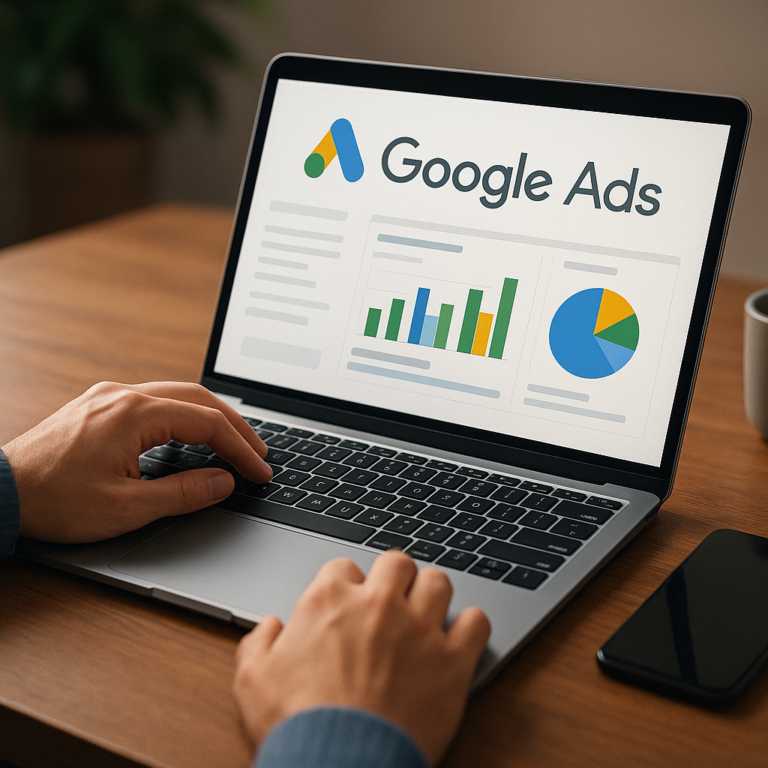
Google Ads becomes easier to manage when you understand how demand, auctions, messages, and measurement connect. Start with a small plan, define one useful outcome, and let early data guide your decisions. This approach protects your budget while teaching you which searches, offers, and audiences deserve more attention.
This beginner guide explains the platform without treating every feature as equally important. You will learn where Search campaigns fit, how to organize an account, how to connect keywords with persuasive ads, and how to evaluate results before making major changes. Build a reliable foundation first, then expand only when evidence supports it.
How the Google Ads Ecosystem Works
Google Ads is an auction system that selects eligible messages for searches, websites, videos, applications, and shopping experiences. A bid matters, but it does not guarantee a top position. Relevance, expected response, and landing page quality influence how competitive an ad becomes and what you pay.
Understand the Auction
Whenever someone searches, Google compares eligible ads and estimates which options may satisfy the request. The process considers the advertiser’s bid alongside relevance and experience signals. Beginners should remember that spending more cannot repair a vague offer, mismatched keyword, or confusing page. Better alignment often creates stronger results before higher budgets are needed.
Start With User Intent
Search campaigns are often a practical first classroom because users reveal intent through their queries. Review the language people use, then make the ad and page answer that need directly. Display and video can build awareness, while shopping or app campaigns serve specific businesses. Choose based on an objective, not platform novelty.
Choose Campaign Types Carefully
Match campaign type to the job your marketing must accomplish. Use Search to capture existing demand, Display to support broader visibility, Video to explain or demonstrate an offer, and Shopping when product feeds are ready. These formats can work together later, but starting with one clear purpose makes budget decisions and performance reviews easier.
Build a Focused First Test
Create the simplest useful test rather than dividing a limited budget across every available format. Select one audience, one offer, and one conversion action that you can actually observe. Give the test enough time to collect meaningful signals, while setting a spending limit and a review date. Simplicity improves learning.
Organize Your Account
Organize the account so each campaign has a distinct goal, budget, audience, and measurement plan. Use ad groups for closely related themes instead of placing unrelated searches together. Clear naming conventions should identify the offer, location, audience, or test period. Good structure reduces confusion and makes later comparisons far more trustworthy.
Document important changes as you work, including new keywords, bid settings, audiences, landing pages, and conversion definitions. A simple change log prevents memory from becoming your only source of truth. It also helps you connect a later performance shift with a specific action, so optimization becomes a repeatable process instead of guesswork.
Connect Keywords, Ads, and Pages
Keywords connect a user’s query with the opportunity to show an ad, so selection should reflect both language and intent. Specific phrases often offer clearer context than broad terms, although narrow targeting can reduce reach. Begin with terms closely tied to your offer, then review actual search queries to discover useful patterns and exclusions.
Protect Relevance With Negative Keywords
Use negative keywords when a query clearly conflicts with your product, service, location, or buying intent. Review match behavior carefully because broad reach can introduce irrelevant traffic. Do not judge a keyword by clicks alone; ask whether it attracts qualified visitors who understand the offer and can complete the intended action. Relevance matters throughout.
Improve the Landing Page Experience
Your landing page should continue the promise made by the ad, load reliably, and present one obvious next step. Put the main benefit near the top, explain important details plainly, and remove distractions that compete with the action. Test forms, phone links, and mobile layouts before increasing traffic, because technical friction can waste valuable clicks.
Measure and Optimize Initial Results
Install conversion tracking before relying on campaign results, and confirm that the recorded action matches a meaningful business outcome. Separate primary conversions from secondary interactions such as page views or casual visits. Watch cost, conversion volume, rate, and value together, because one metric rarely explains whether performance is genuinely improving.
Evaluate data after enough relevant activity has accumulated, not after every individual click. Compare similar periods and segment results by device, location, audience, and search theme when volume allows. Make one controlled change at a time, record the reason, and observe the next period. This discipline helps distinguish real improvement from random variation.
Avoid Common Beginner Mistakes
Beginners often change bids, keywords, ads, and targeting simultaneously, then cannot identify what caused a result. Other common errors include sending every visitor to a generic homepage, ignoring mobile usability, and optimizing for clicks without checking lead quality. Avoid premature conclusions, keep the offer clear, and protect learning time with sensible limits.
Optimize Safely
Do not promise results that the data cannot support, and do not scale simply because impressions increased. Check search terms, conversion quality, budget pacing, policy status, and tracking health regularly. If performance weakens, pause the least useful variable, investigate the user journey, and make a documented adjustment. Careful diagnosis is safer than frantic optimization.
Take the Next Step
Move forward by setting one measurable objective, choosing a focused campaign, and writing down the assumptions behind your plan. Launch with conservative limits, review real queries and conversion signals, and improve the weakest link first. Once the account produces dependable evidence, test additional audiences, creative angles, or campaign formats with the same discipline.